2. Optimise AMH & Ovarian Reserve
How to optimise your ovarian health and support egg retrieval outcomes

Welcome from Ro
Hi there – and thanks so much for being here. My name is Ro Huntriss and I’m the Founder of Fertility Dietitian UK. In this article, I’ll walk you through what AMH really means, what it can (and can’t) tell us about fertility, and how you can support your ovarian health in practical, evidence-based ways. I’ll also explain how making these changes can improve outcomes when it comes to egg retrieval, in the context of IVF or egg freezing. Let’s dive right into it.
Understanding Your Fertility and How to Support It
When you’re trying to conceive, whether naturally or through IVF, AMH and ovarian reserve are topics that come up frequently. These measures are often discussed in clinics, yet for many women, the numbers alone can feel confusing, overwhelming, or even discouraging. Understanding what AMH is, what it can (and cannot) tell you, and how to support your fertility is key to feeling empowered and taking actionable steps.
Many women experience frustration and feel:
- Confused about what their AMH numbers actually mean
- Dismissed when asking what they can do to help themselves
- Frustrated after failed fertility treatments or lack of clear guidance
- Overwhelmed by conflicting online advice
You are not alone, and there are practical, evidence-based steps you can take to support your ovarian health.

What Is AMH and Why Does It Matter?
AMH, or anti-Müllerian hormone, is a protein produced by small follicles in the ovaries. It is often used as a marker of ovarian reserve, which reflects the number of eggs you have remaining. While AMH does not tell the full story of fertility, such as egg quality or the ability to conceive naturally, it provides a useful snapshot of your ovarian potential.
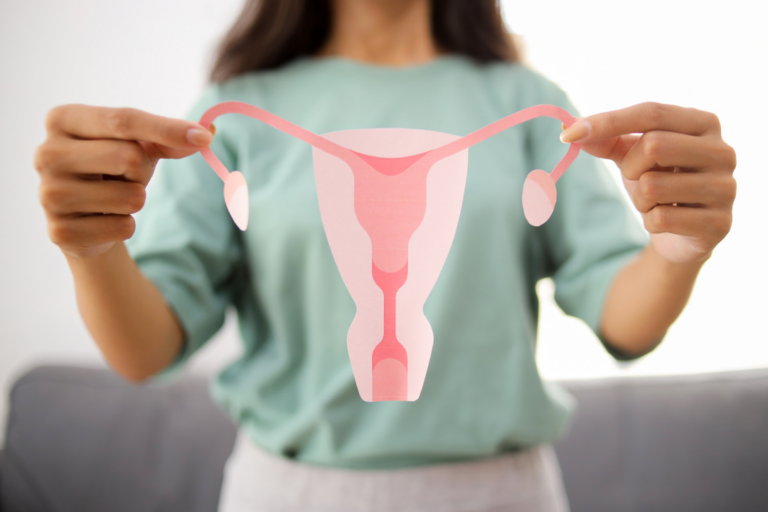
It’s often used alongside another key measure: Antral Follicle Count (AFC), which is the number of small resting follicles visible on an ultrasound at the start of your cycle. Together, AMH and AFC give your fertility specialist a snapshot of your ovarian potential and how your body might respond to fertility treatment like IVF.
While these markers are useful, they don’t define your fertility potential on their own. AMH and AFC do not measure egg quality or predict whether you can get pregnant naturally. They’re more like indicators of quantity and how your ovaries might respond to stimulation.
AMH levels can also fluctuate slightly depending on factors such as age, general health, and lifestyle. A lower AMH reading does not mean conception is impossible, nor does it reflect your overall wellbeing. What it does provide is guidance for you and your fertility team – helping inform timing, next steps, and supportive strategies for reproductive health.
Understanding the Difference Between Ovarian Reserve and AMH
Your ovarian reserve refers to the total number of eggs you have. This naturally declines with age and cannot be increased.
AMH (anti-Müllerian hormone), on the other hand, reflects the activity of the small developing follicles in your ovaries at a given time. These follicles produce AMH as they grow, so levels give an indication of how many follicles are developing, rather than directly measuring your total egg number.
In simple terms, ovarian reserve tells us how many eggs you have, while AMH gives a snapshot of how active your ovaries are right now.
Can I Increase My Ovarian Reserve?
In short, no – the total number of eggs in your ovaries cannot increase. From birth, the number of eggs gradually declines until none remain.
However, this doesn’t mean there’s nothing you can do.
You can, however, support how effectively your body recruits and matures those eggs each cycle by creating a healthy ovarian environment. This is particularly important if you’re preparing for IVF or egg freezing, as optimising your ovarian health can directly affect how many eggs are collected.
Can I Increase My AMH?
While you can’t create more eggs, research shows that AMH levels can improve when the ovarian environment becomes healthier. By reducing inflammation, supporting mitochondrial function, and improving metabolic balance, more follicles are able to grow – and this can lead to a measurable rise in AMH.
Several studies have found that improving insulin sensitivity, vitamin D status, taking specific supplements and overall nutritional balance may help to increase AMH levels.
Essentially, by creating a healthy ovarian environment, more follicles can develop, which can mean more eggs available for ovulation or retrieval. Our egg quality and ovarian reserve guide and meal plan provides a clear framework for making these changes straight away.
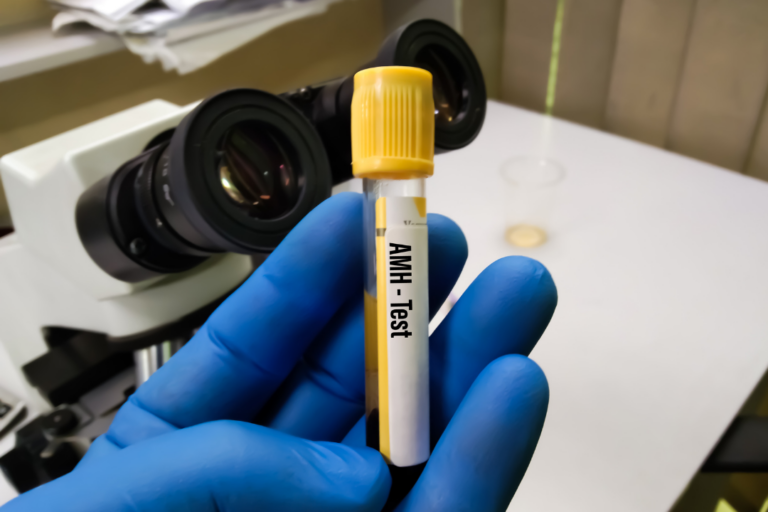
Why Ovarian Reserve Markers Changes
Ovarian reserve naturally declines with age, yet factors such as oxidative stress, inflammation, insulin resistance and metabolic health influence how efficiently follicles develop. This is why supporting the ovarian environment through nutrition and lifestyle strategies can have such a meaningful impact on markers such as AMH and AFC, and the number of eggs collected during egg retrieval.
Nutrition and Lifestyle Strategies to Support Ovarian Reserve to increase AMH
Your ovarian reserve can’t be increased, but the environment your follicles develop in can be supported. Nutrition and lifestyle factors play a key role in influencing hormone signalling, metabolic health and oxidative stress, all of which impact how follicles grow and develop. By optimising these foundations, you may support more efficient follicle recruitment in each cycle, which can be reflected in AMH levels and, in some cases, the number of eggs collected.
Targeted supplements
Certain targeted supplements have been shown in clinical trials to improve markers of ovarian function, including increases in AMH levels and the number of eggs retrieved during fertility treatment. These effects are thought to be driven by improvements in mitochondrial function, hormone signalling and reductions in oxidative stress within the ovaries.
Antioxidant-rich foods
Berries, leafy greens, nuts, and colourful vegetables help protect your cells from oxidative stress. These antioxidants strengthen your body’s defences and support healthy follicle growth.
Vitamin D
Research suggests that women with sufficient vitamin D levels often show more favourable AMH and follicle counts, particularly when paired with good metabolic health.
Lifestyle foundations
Restful sleep, stress reduction, and gentle movement can all support hormone balance and reduce inflammation. These habits improve circulation to the ovaries and create a stable environment for egg development.

These are just some of the simple strategies that can make a meaningful difference, but we can go deeper!
Our 1:1 consultations and online membership can help you implement these changes in a way that feels clear, achievable, and sustainable – with guidance tailored to your personal health, hormones, and fertility goals.
Finding the Right Support
Are you preparing for an egg retrieval soon? Optimising your AMH and ovarian environment beforehand can help maximise the number and quality of eggs available, improving your outcomes. Our personalised guidance ensures every aspect- from nutrition to lifestyle to supplements – is tailored to support you in the lead-up to your retrieval.
Feeling uncertain, dismissed, or overwhelmed during your fertility journey is common.
We help women:
- Reduce uncertainty and feel confident in their next steps
- Build actionable strategies that support egg health, cycles, and fertility outcomes
- Feel supported and empowered through personalised guidance
Whether you are trying to conceive naturally, preparing for IVF, have experienced failed cycles, or are in your late 30s or 40s, we provide evidence-based strategies tailored to your needs.

Our services are designed to meet you wherever you are in your fertility journey
Egg Quality & Ovarian Reserve
Guide and
Meal Plan
An affordable, science-backed roadmap to improving egg quality and ovarian reserve naturally so you can start making changes today.
121 Fertility Nutrition Consultations
Personalised support with a certified specialist, to generate a personalised action plan to enable you to reach your fertility goals.
Membership Waitlist
Your complete online resource for evidence-based fertility nutrition and lifestyle support, anytime you need it.
With the right support, you can feel informed, empowered, and confident in the choices you make to optimise your fertility.
References
1. Bentov Y, Esfandiari N, Burstein E, Casper RF. The use of mitochondrial nutrients to improve the outcome of infertility treatment in older patients. Fertil Steril. 2010;93(1):272–275.
2. Unfer V, Facchinetti F, Orrù B, Giordano D, Nestler JE. Myoinositol effects in women with PCOS: a meta-analysis of randomized controlled trials. Endocr Connect. 2017;6(8):647–658.
3. Ruder EH, Hartman TJ, Blumberg J, Goldman MB. Oxidative stress and antioxidants: exposure and impact on female fertility. Hum Reprod Update. 2008;14(4):345–357.
4. Chiu YH et al. Dietary fat intake and reproductive hormone concentrations and ovulatory function in healthy women. Am J Clin Nutr. 2018;107(4):645–653.
5. Irani M, Merhi Z. Role of vitamin D in ovarian physiology and its implication in reproduction: a systematic review. Fertil Steril. 2014;102(2):460–468.
6. Palomba S, Falbo A, Chiossi G, et al. Lifestyle and fertility: the influence of body weight, physical activity, diet and stress on reproductive outcome. Reprod Biol Endocrinol. 2018;16(1):117.
7. Maged AM et al. Insulin resistance and its association with AMH levels in women with PCOS. Clin Endocrinol (Oxf). 2017;87(2):161–166.