5. Improve IVF Success
How to optimise your body before and during IVF to increase chances of IVF success

Welcome from Ro
Hi there – and thanks so much for being here. My name is Ro Huntriss and I’m the Founder of Fertility Dietitian UK. If you’re preparing for IVF or ICSI, this article will guide you through how nutrition and lifestyle can support treatment outcomes. I’ll explain where these factors make a difference and how my team and I support you through this stage of your fertility journey. Let’s get into it.
Preparing Your Body for the Best Possible IVF Outcome
IVF and ICSI can be an emotional and physical journey – filled with hope, uncertainty, and often, frustration when the path doesn’t go as planned. For many people, this process also raises new questions about what they can do to optimise their chances.
It’s common to feel overwhelmed by all the advice online, frustrated that pregnancy hasn’t happened yet despite your best efforts, or unsure whether you’re doing enough to prepare your body. Some people describe feeling invisible or dismissed when asking about the role of nutrition and lifestyle in treatment success.
The truth is, evidence shows that what you eat, how you live, and how you manage your stress and recovery can make a measurable difference in IVF and ICSI outcomes – from egg and sperm quality, to implantation and live birth rates.
This article cuts through the confusion with science-backed insights to help you feel informed, supported, and empowered through your IVF journey.
What IVF and ICSI Involve
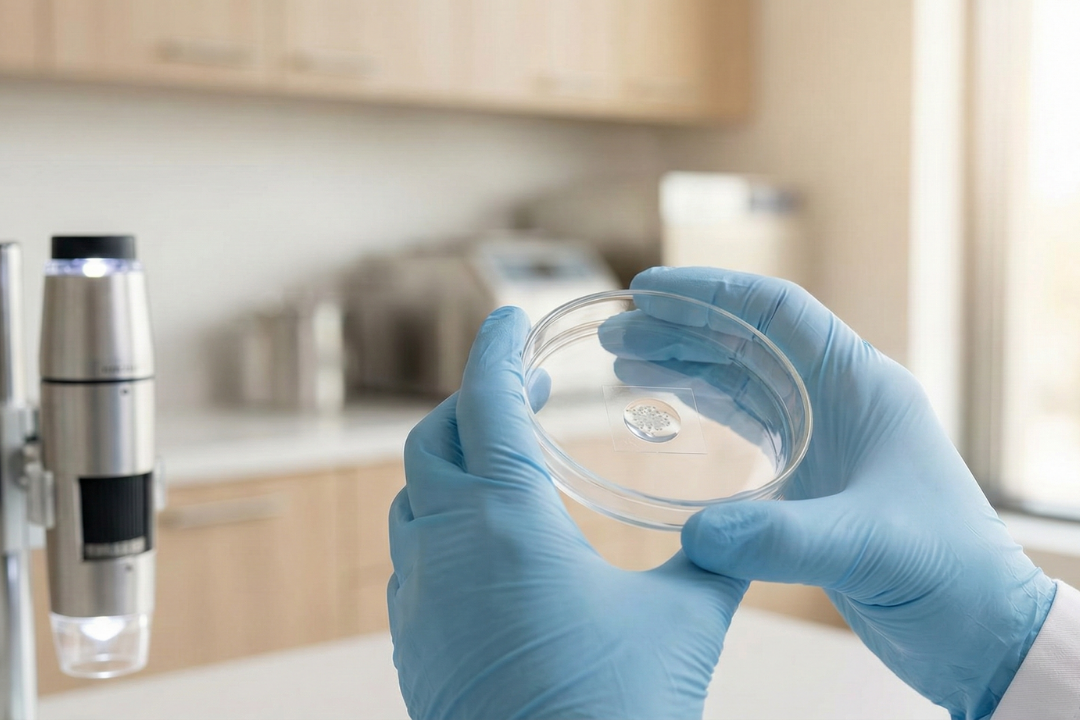
In vitro fertilisation (IVF) and intracytoplasmic sperm injection (ICSI) both involve combining eggs and sperm outside the body to create embryos that are then transferred into the uterus.
While the process is medically-led, your nutrition, lifestyle, and environment influence many of the steps along the way – including egg development, sperm function, embryo quality, and the uterine environment.
Research now shows that people who optimise these factors before and during treatment can experience higher implantation and live birth rates compared with those who do not.

Why IVF and ICSI Success Rates Vary
Even with medical support, IVF success rates can vary widely. Factors such as age, hormone balance, egg and sperm quality, endometrial health, and stress levels all play a role.
Nutritional status, inflammation, oxidative stress, and metabolic health are often overlooked contributors. For example:
- Women with higher antioxidant and omega-3 intake tend to produce higher-quality embryos.
- Low vitamin D and poor metabolic health are associated with lower implantation and pregnancy rates.
- Chronic stress and poor sleep have been shown to reduce sucess rates in IVF cycles.
The encouraging news is that these are modifiable – and targeted lifestyle strategies can help improve outcomes.
Nutrition & Lifestyle Foundations
Supporting your body before and during IVF or ICSI is about creating a nourished, balanced environment for healthy eggs, sperm, and implantation. Even small, consistent changes can make a measurable difference.
Eat a Mediterranean-style diet rich in colourful vegetables, oily fish, wholegrains, olive oil, nuts, and seeds.
→ Women who followed this pattern before IVF had significantly higher live birth rates than those with lower adherence.
Balance blood sugar by including protein and fibre at each meal.
→ Stable glucose and insulin levels are linked with better ovarian response and higher pregnancy rates during IVF.
Include healthy fats, especially omega-3s, to support hormone balance and embryo development.
→ Higher omega-3 intake has been associated with improved embryo quality and implantation rates.
Optimise antioxidant status
→ In IVF studies, antioxidant pretreatment improved ovarian response and embryo quality in women with low ovarian reserve.
Optimise micronutrient status, ideally before stimulation or transfer.
→ Meta-analyses show higher pregnancy and implantation rates in women with sufficient vitamin levels.
Avoid smoking and limit alcohol.
→ Both are linked to lower fertilisation and implantation success in ART cycles.
Prioritise rest and quality sleep.
→ Women with consistent, good-quality sleep show higher oocyte maturity and clinical pregnancy rates.
Reduce exposure to toxins and heat (e.g. saunas, hot tubs, laptops on the lap).
→ Environmental toxins and testicular heat exposure are linked to poorer sperm quality and lower live birth rates.
These are small, research-backed actions that, when combined, can have a measurable impact on egg quality, embryo development, and IVF sucess.

The Role of Stress and Emotional Health
The IVF process can be emotionally draining – especially after previous failed cycles or losses. High cortisol levels and chronic stress can disrupt hormone balance, egg quality, and uterine receptivity.
Mind-body interventions such as mindfulness, breathwork, and yoga have been shown to improve emotional wellbeing and increase pregnancy rates in IVF participants (Domar et al., Fertility & Sterility, 2011).
Addressing mental wellbeing isn’t about “relaxing to get pregnant,” but about supporting the hormonal and physiological balance that helps treatment work more effectively.
Finding the Right Support
Feeling uncertain, dismissed, or overwhelmed during your IVF journey is common – and you shouldn’t have to navigate it alone. Whether you’re preparing for your first cycle, have experienced failed rounds, or are anxious about your chances, there are clear, evidence-based ways to optimise your results.
Working with a registered fertility dietitian or nutritionist trained in fertility nutrition can help you:
- Cut through the confusion and focus on what truly influences IVF outcomes
- Build a structured, sustainable plan to support egg and sperm health, hormone balance, and implantation
- Feel supported and informed every step of the way
Whatever your situation, we focus on practical, evidence-based strategies that make a measurable difference.
With the right support, you can feel informed, empowered, and confident in the steps you’re taking to improve your chances of a successful outcome.

Our services are designed to meet you wherever you are in your fertility journey
IVF
Guide and
Meal Plan
An affordable, science-backed roadmap to improve diet, lifestyle and nutritional status to optimise the outcomes of your IVF or ICSI treatment so you can start making changes today.
121 Fertility Nutrition Consultations
Personalised support with a certified specialist, to generate a personalised action plan to enable you to reach your fertility goals.
Membership Waitlist
Your complete online resource for evidence-based fertility nutrition and lifestyle support, anytime you need it.
With the right support, it’s possible to significantly improve your egg quality, egg retrieval outcomes, chance of implantation and sustaining a healthy pregnancy; all of which are important steps in the IVF or ICSI journey, but don’t worry – we’re here to help.
References
1. Karayiannis D. et al. (2018). Mediterranean diet adherence and improved implantation success. Human Reproduction, 33(3), 494–502.
2. Vujkovic M. et al. (2010). Nutrient patterns and implantation rates in IVF patients. Fertility & Sterility, 94(6), 2083–2089.
3. Chiu Y. H. et al. (2018). Dietary fat intake and reproductive hormone concentrations and ovulatory function in healthy women. American Journal of Clinical Nutrition, 107(4), 645–653.
4. Bentov Y. et al. (2010). The use of mitochondrial nutrients to improve the outcome of infertility treatment in older patients. Fertility & Sterility, 93(1), 272–275.
5. Irani M. & Merhi Z. (2014). Role of vitamin D in ovarian physiology and its implication in reproduction. Fertility & Sterility, 102(2), 460–468.
6. Palomba S. et al. (2018). Lifestyle and fertility: the influence of body weight, physical activity, diet and stress on reproductive outcome. Reproductive Biology & Endocrinology, 16(1), 117.
7. Domar A. et al. (2011). Impact of mind-body programs on IVF outcomes. Fertility & Sterility, 95(7), 2269–2271.
8. Zhao Y. et al. (2023). Sleep and circadian rhythm influences on uterine receptivity. Frontiers in Endocrinology, 14, 1147734.
9. Li X. et al. (2022). Metabolic and inflammatory modulation in implantation. Frontiers in Endocrinology, 13, 894732.
10. Gaskins A. et al. (2019). Diet quality and reproductive outcomes in IVF cycles. Fertility & Sterility, 111(6), 1189–1198.
11. World Health Organization. (2021). WHO Laboratory Manual for the Examination and Processing of Human Semen (6th edition).