1. Improve Egg Quality
Science-backed nutrition and lifestyle strategies to support healthier eggs and better outcomes

Welcome from Ro
Hi there – and thanks so much for being here. My name is Ro Huntriss and I’m the Founder of Fertility Dietitian UK. This article will delve into the importance of egg quality, what it means for a fertility journey and what can be done to influence it. I’ll also share how me and my team can support you on this journey. Let’s dive in.
How to Improve Egg Quality for Fertility
When you’re trying to conceive, whether naturally or through IVF, “egg quality” is often one of the most talked-about factors. And for good reason: it influences whether fertilisation occurs, whether an embryo develops properly, and ultimately, whether pregnancy is successful. Understanding the symptoms of poor egg quality, why it happens, and how to test for it is a crucial first step before making any changes to your diet or lifestyle.
But here’s the important thing most people aren’t told: egg quality isn’t entirely fixed. While age plays a role, the environment your eggs develop in, shaped by nutrition, lifestyle, and overall health, has a real impact.
Many women experience the frustration and worry of:
- Months of uncertainty, wondering if their eggs are “good enough”
- The heartbreak of miscarriage or failed IVF cycles
- Feeling unsupported when clinics focus only on procedures, not diet or lifestyle
- Anxiety about time running out or fertility decline
- Confusion from conflicting online advice
Understanding how eggs develop and what supports them is the first step to taking control of your fertility.

What is Egg Quality?
Egg quality isn’t about the number of eggs you have. It’s about whether those eggs have the energy, DNA integrity, and cellular structure to mature properly, be fertilised, and develop into a healthy embryo.

High-quality eggs are more likely to:
1. Fertilise successfully
2. Implant in the uterus
3. Grow into a healthy pregnancy
While we can’t directly change the chromosomes themselves, nourishing your body with the right foods can support healthier cell division and create the best possible environment for strong, resilient eggs.
This is where nutrition truly plays a role: by reducing oxidative stress and supporting mitochondrial health, you help protect the egg’s DNA and improve the internal environment in which eggs mature and develop.
Egg quality is often discussed in terms of chromosomal status, whether an egg is euploid (chromosomally normal) or aneuploid (with too many or too few chromosomes). Chromosomal issues become more common with age, as cell division becomes less reliable.
Why Does Egg Quality Decline?
As shown in typical egg quality age charts, egg quality gradually declines with age, particularly after 35, as cell division becomes less reliable.
But age isn’t the only factor.
Other influences include:
- Oxidative stress → damage from free radicals that can harm egg DNA
- Mitochondrial function → eggs need lots of energy; weaker mitochondria reduce fertility potential
- Inflammation and metabolic health → insulin resistance, high androgens, or chronic inflammation can disrupt egg development
- Lifestyle factors → poor sleep, stress, alcohol, and smoking all impact cellular health

Can You Improve Egg Quality?
Many women ask: “Can I actually improve my egg quality?”
The answer is yes: you can influence the environment in which they mature, therefore improving their quality. While there’s no single medical fix, poor egg quality treatment often involves nutritional and lifestyle changes, supplements, and clinical guidance to optimise egg development. Research shows that these approaches can reduce oxidative stress, support mitochondrial function, and improve chromosomal stability.
It takes 90-100 days for an egg to mature and develop before ovulation. This is a big window of opportunity to influence their quality. Even small, targeted changes can have meaningful effects over the 90-day egg maturation cycle, which means actions you take now can support better egg quality and fertility in the months ahead.
Nutrition and Lifestyle Strategies That Support Egg Health
There’s no single food or supplement that will magically “fix” egg quality. The goal is to consistently create a body environment that supports healthier eggs:
Antioxidant-rich foods
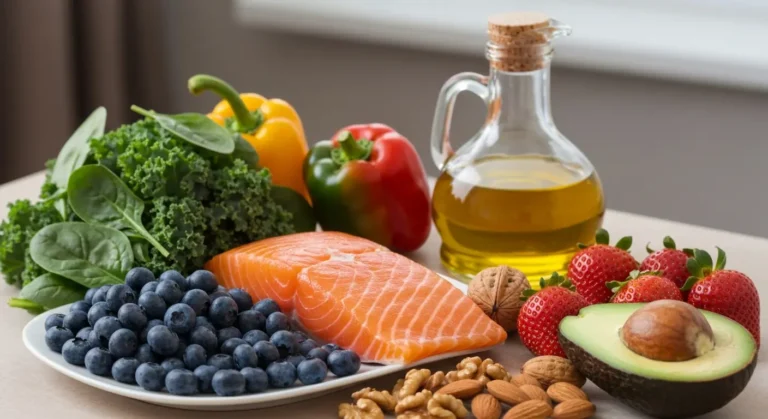
Berries, leafy greens, nuts, and olive oil protect and colourful vegetables provide compounds that neutralise free radicals and protect both mitochondrial DNA and egg cells from oxidative stress, one of the main drivers of egg ageing.
Omega-3 fatty acids
From oily fish, walnuts, and flaxseeds help reduce inflammation, support hormone balance, and provide essential building blocks for egg and follicle development.
These healthy fats improve cellular communication within the ovaries, support mitochondrial function in the egg, and help regulate the production of reproductive hormones. Including sources like salmon, sardines, walnuts, chia, and flaxseeds regularly can create a more supportive internal environment for egg maturation and overall fertility.
Finding the Right Support
Navigating fertility can feel overwhelming, especially after failed cycles, miscarriage, or when time feels limited. The good news is that you don’t have to figure it all out alone.
We help women:
- Reduce uncertainty and feel confident in their next steps
- Build actionable strategies that support egg health, cycles, and fertility outcomes
- Feel supported and empowered through personalised guidance
If you want to optimise egg quality, whether you’ve had failed IVF cycles, poor embryo development, are trying to conceive naturally in your late 30s or 40s, or simply want to give yourself the best possible chance.
Whatever your situation, we focus on practical, evidence-based strategies that make a measurable difference.

Our services are designed to meet you wherever you are in your fertility journey
Egg Quality
Guide and
Meal Plan
An affordable, science-backed roadmap to improving egg quality and ovarian reserve naturally so you can start making changes today.
121 Fertility Nutrition Consultations
Personalised support with a certified specialist, to generate a personalised action plan to enable you to reach your fertility goals.
Membership Waitlist
Your complete online resource for evidence-based fertility nutrition and lifestyle support, anytime you need it.
With the right support, it’s possible to significantly improve your quality of life, take control of your fertility, and give your eggs the best environment to thrive.
References
1. Chavarro JE, et al. (2007). Diet and lifestyle in the prevention of ovulatory disorder infertility. Obstetrics & Gynecology.
2. May-Panloup P, et al. (2016). Mitochondria and oocyte quality. Reproduction.
3. Lee H, et al. (2023). Oocytes protect mitochondrial DNA from age-related damage. Science Advances,
4. Bentov Y & Casper RF. (2013). The aging oocyte—can mitochondrial function be improved? Fertility and Sterility.